




When does learning really begin?
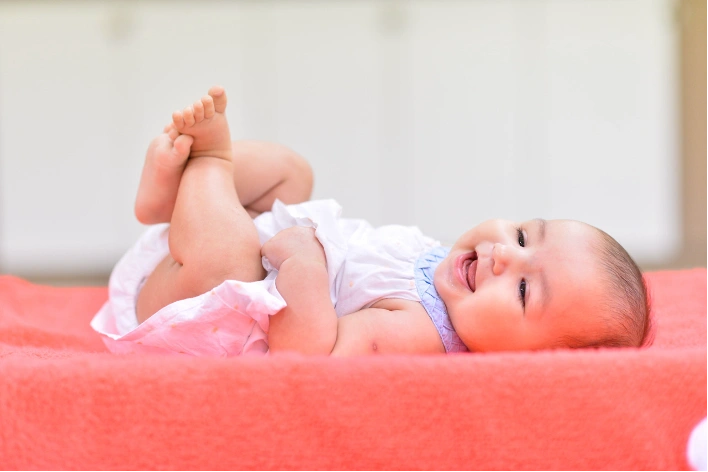
Learning begins earlier than we think — even before birth, babies are already listening and responding to the world around them.
Some of us might think it starts at birth, or when a baby says their first word.
But what if learning begins much earlier — even before your baby is born?
Research shows that music plays a powerful role in shaping a child’s brain. It supports language development and helps build emotional connections right from the very beginning of life.
And it all starts with sound.
Your Baby’s First World Is Filled with Sound
The womb is not a silent place.
Long before babies are born, their world is already filled with sound. Every day, they hear their mother’s heartbeat and breathing. They also hear sounds from the outside world — voices, music, and everyday noises.
In other words, the womb is already a rich sound environment.
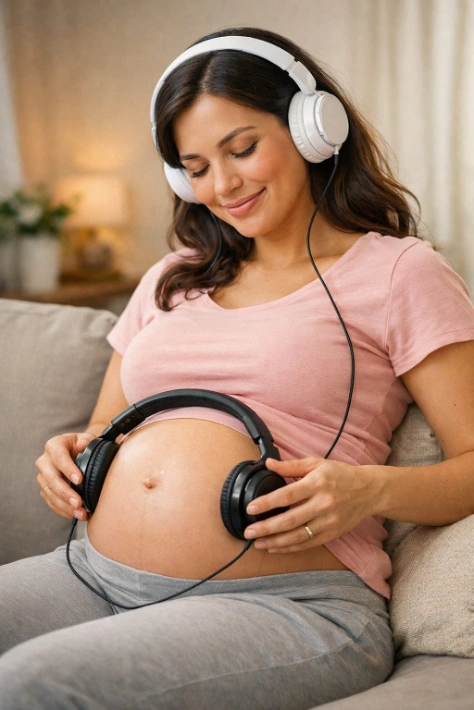
Tiny listeners, already reacting to the beat of the world around them.
Studies suggest that babies begin developing their sense of hearing very early during pregnancy. As they grow, they become more sensitive to sound and may even move in response to voices or music.
Researchers have observed something fascinating. When slow, gentle music was played, babies’ heartbeats became calmer. When faster music was played, their heartbeats became quicker.
This shows us something remarkable — babies are not just hearing sounds, they are responding to them. Although the sounds they hear in the womb may be softer or slightly muffled, babies can still recognise the rhythm and overall feeling of music.
All these findings suggest that learning — especially about sound and rhythm — may begin even before birth.

Even before meeting you, your baby is getting to know your voice.
Your voice, your tone, and the sounds around you during pregnancy may already be part of your baby’s earliest learning experiences.
Even before they see your face,
your baby is already listening, feeling, and beginning to learn from you.
These very first sound experiences become the starting point for how children continue learning after they are born.
From Early Sounds to Early Learning
These early sound experiences become the foundation for how your child learns.
At birth, a baby’s brain is developing at an incredible pace. During this time, the brain forms millions of connections, and rich sensory experiences help those connections grow stronger.
Music is one of the most powerful of these experiences. Songs, rhythms, and familiar sounds stimulate the brain, support memory, and strengthen early language development.
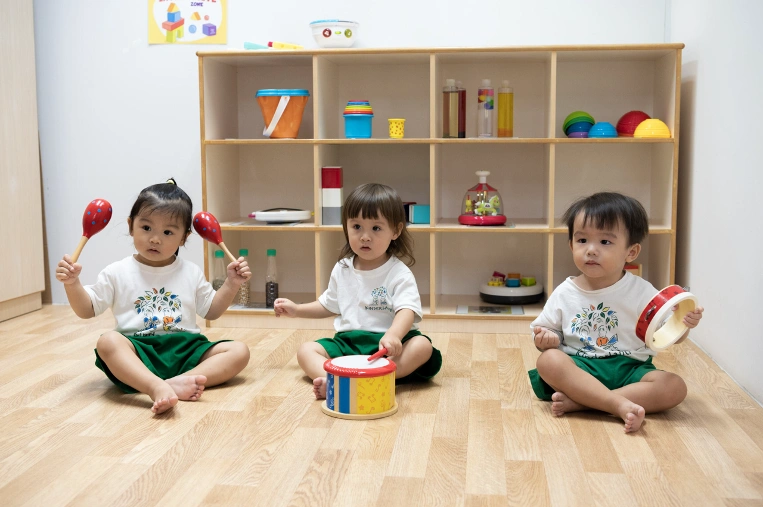
Little hands, big discoveries through music.
As children grow, these benefits continue to expand. Through music, children begin to recognise patterns, organise information, and develop thinking skills that support language — and even early mathematical understanding.
In other words, music is not just something children enjoy – it actively shapes how they learn.
Music and Language: A Natural Connection
Music and language are often thought of as two separate areas of learning.
But in reality, they are closely connected.
Learning a language relies heavily on musical elements that help children tune in to the sounds around them. Both music and speech are made of sounds that we hear and make sense of. They share important features such as rhythm, melody, and the natural rise and fall of our voices.
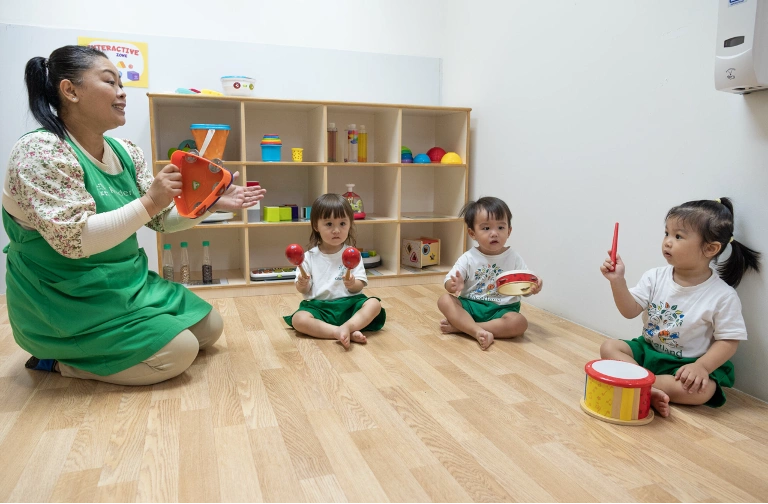
Learning comes alive when music becomes part of the day.
This is why songs are such powerful learning tools. A simple melody can help children remember words, routines, and ideas much more easily than spoken instructions alone. Think about how easily we remember the alphabet song, or a tune we learned many years ago. Music helps our brains organise and remember information.
And if you have ever heard a baby making little sing-song sounds when they are excited, you are already seeing this connection in action.
At this stage, babies do not separate music from speech.
To them, sound is experienced as one beautiful, connected system.
Why Rhythm Comes Before Words
As children grow, one element stands out as especially important: Rhythm.
Long before babies understand the meaning of words, they are already very sensitive to patterns of sound. From the steady rhythm of their mother’s heartbeat in the womb to the natural rise and fall of our voices, rhythm creates a sense of familiarity and comfort.
In many ways, children learn the music of language before they learn its meaning.
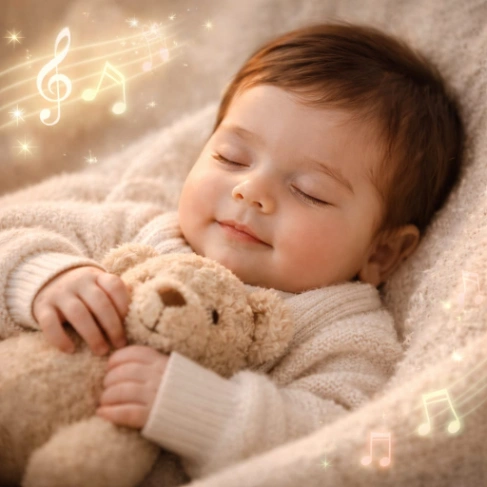
Music has a way of staying with us — even from our earliest days.
This is why lullabies can calm a baby so quickly. It is also why nursery rhymes are so easy for young children to remember. The rhythm and repetition help their brains recognise patterns and make sense of the sounds they hear.
Through these simple musical patterns, babies begin taking their very first steps into language and learning.
The Lasting Impressions of Music
Think about your own life for a moment.
Most of us have certain songs that we love. Sometimes, just hearing a familiar tune can instantly bring back memories — a place, a person, or a moment from many years ago.
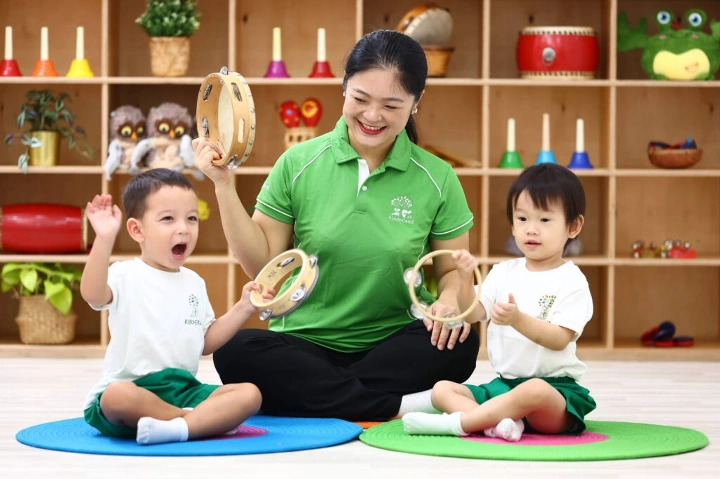
Music promotes cognitive development and overall well-being in children, particularly during the critical first five years of life.
Music has a powerful way of staying with us.
In fact, this connection with music begins much earlier than we might expect.
Studies have shown that babies can remember music they were exposed to even before birth. In one study, infants who regularly heard a particular piece of music during pregnancy later showed a clear preference for that same music — even up to a year after they were born.
This tells us that these early sound experiences can leave lasting impressions.
At the same time, regular exposure to music helps strengthen connections in the brain. These connections support many areas of development — including language, memory, social interaction, and emotional expression.
Over time, music becomes much more than just background sound.
It becomes part of how your child learns, understands, and connects with the world.
Now that we better understand how powerful music can be in early childhood, the question becomes: How can we nurture this in a child’s everyday learning environment?
Bringing Music to Life: The Kinderland Approach
At Kinderland, this understanding of music and early learning is brought to life through our music-infused curriculum.
Music is not treated as a separate subject. Instead, it becomes a natural part of everyday learning — through singing, movement, storytelling, and hands-on exploration with instruments.
Children experience music in ways that grow with them.
For our infants and toddlers, learning begins with simple joys — listening to songs, moving to rhythms, and exploring sounds through simple instruments.
As they grow, educators introduce interactive nursery rhymes in both English and Chinese, helping children become familiar with the sounds and rhythms of two languages in a natural and engaging way.
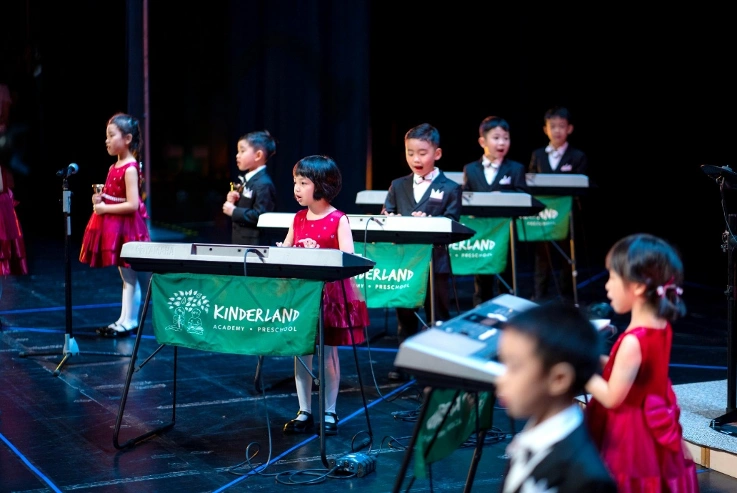
At Kinderland, older children develop a joyful relationship with music through hands-on experience with instruments like keyboards.
Later on, children take part in more structured musical experiences, such as rhythm activities and learning to play the keyboard.
Through these experiences, music becomes a meaningful part of daily life in the classroom. It supports not only cognitive development, but also confidence, creativity, and self-expression.
This is what makes Kinderland distinctive.
Music is not simply an add-on to learning — it is a foundation that connects different areas of a child’s development and helps them grow in a joyful and holistic way.
What This Means for Parents
So what does all this mean for you as parents?
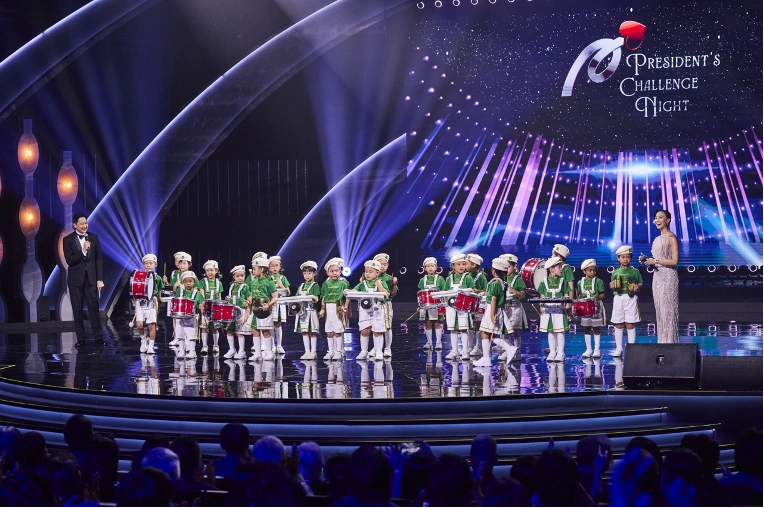
Through early exposure to music, our Kinderland children grow in confidence, taking the stage with pride as they deliver their performances.
The good news is that supporting your child’s development through music does not require special skills or musical training. What matters most is something you already have — your presence, your voice, and the simple moments you share with your child.
You can start with very simple things in everyday life:
- Sing during daily routines like bath time, dressing up, or mealtime
- Play music during car rides or quiet moments at home
- Set aside just 10–15 minutes a day to sing, clap, move, or listen to music together
These small moments may seem simple, but they are powerful. Through music, children begin connecting sounds with words and actions, strengthening their language development while building meaningful memories with you.
Music also supports your child’s emotional world. It can help them relax, express themselves, and release their energy in a joyful and healthy way.
Most importantly, these shared musical moments create something very special — a warm connection between you and your child.
This article is contributed by:
Ms Valerie Gan
Kinderland Senior Principal
References
- Benefits of Music in Early Childhood: Infants and Toddlers
- Kinderland. Music-infused Preschool Curriculum Overview
- Kinderland. Music Programmes and Curriculum Insights
- Little Steps Asia. Kinderland Curriculum Overview
- Abrams, R. M., Gerhardt, K. J., & Peters, A. J. M. (1998)
- Best, A. (2024)
- Brant (2012)
- Lamont, A. (2001)
- Newman (2023)
- Partanen, E. (2013)


 Kinderland Singapore