



Discovering Independence, Confidence and a Love for Learning Through Play
Every parent hopes their child will grow, learn, and thrive. It is natural to wonder: Will early childhood education help my child progress faster?
In the early years, however, “progress” is not about rushing ahead academically. It is about building a strong foundation for their cognitive, social and emotional, and physical development, helping children grow into confident, curious learners. And that journey begins with quality early childhood education.
Why the Early Years Are So Important
Did you know that by the age of five, about 90% of a child’s brain development has already taken place?
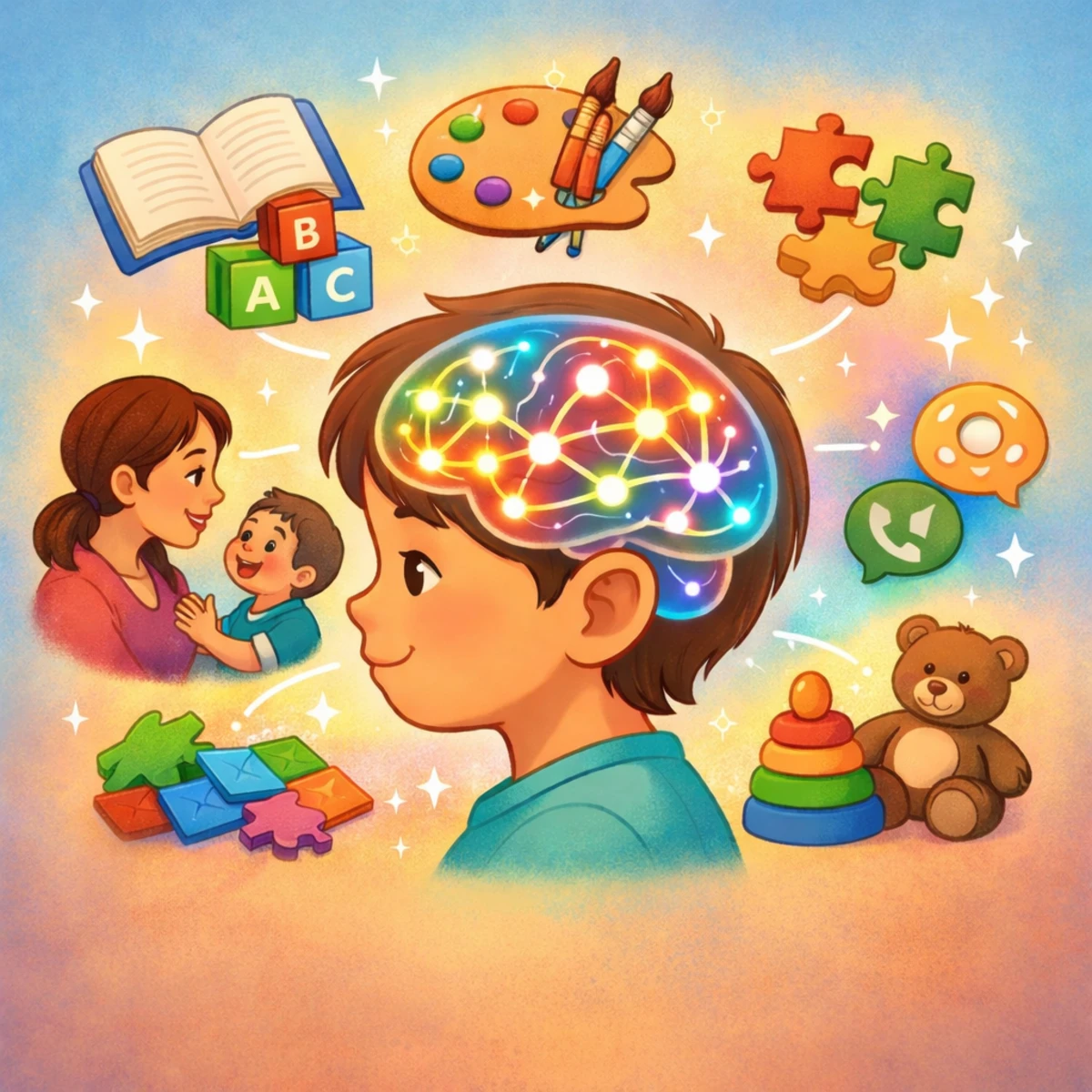
A child’s brain grows strongest through rich early experiences
This means the first few years of life are a golden window for learning. Every word your child hears, every game they play, and every problem they solve helps shape how their brain develops.
These early experiences do more than teach skills—they literally help build the brain’s architecture. Children who grow up in rich, stimulating environments often develop stronger language skills, better problem-solving abilities, and greater emotional resilience.
Beyond ABCs and 123s: A Holistic Early Development
Early childhood education is about much more than numbers and letters. A quality programme supports the development of the whole child:
- Social and emotional development – learning to share, communicate feelings, and resolve conflicts
- Cognitive development – asking questions, thinking critically, and solving problems
- Physical development – strengthening fine and gross motor skills, coordination, and self-care habits
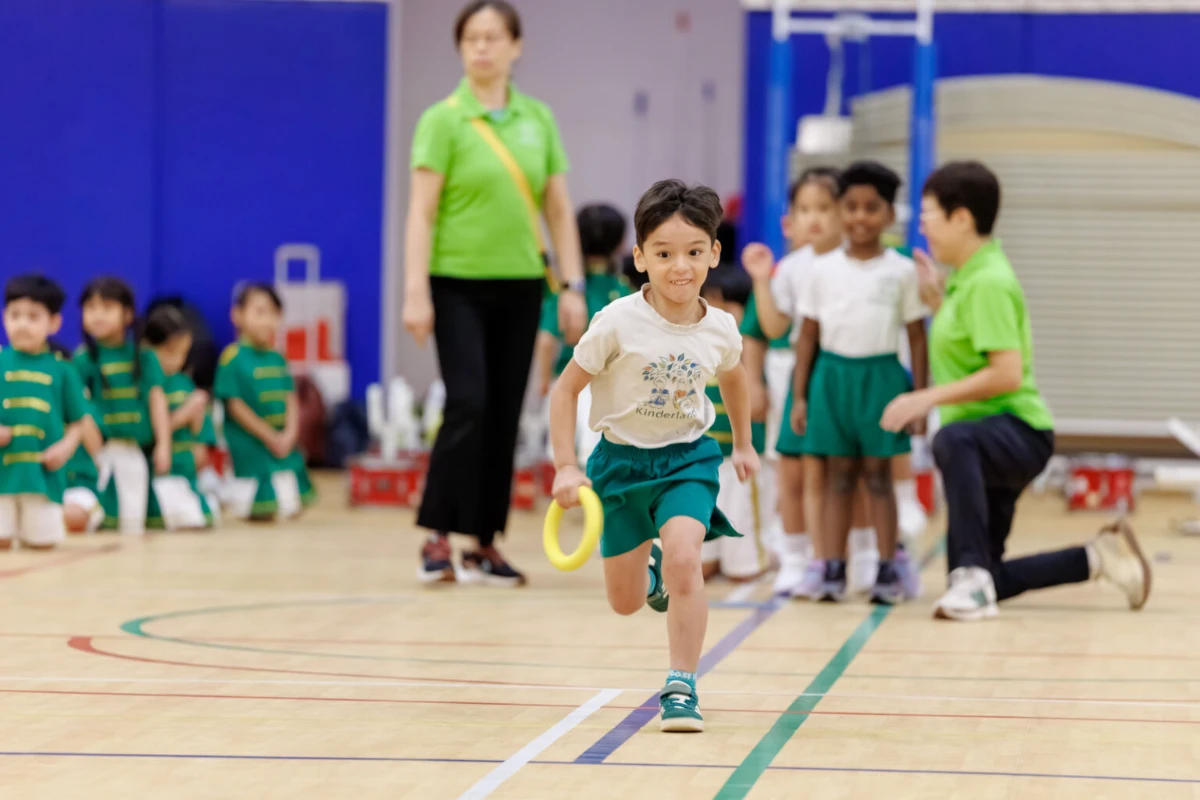
Through physical development activities, children strengthen their focus, resilience, and overall well-being.
Think of a child building a puzzle. They are not just fitting pieces together—they are learning patience, focus, and persistence. In the same way, early childhood education helps children develop the skills they need to interact confidently with the world.
Healthy Progression vs. Racing Ahead
When parents ask, “Will my child progress faster?” it helps to rethink what progression means.
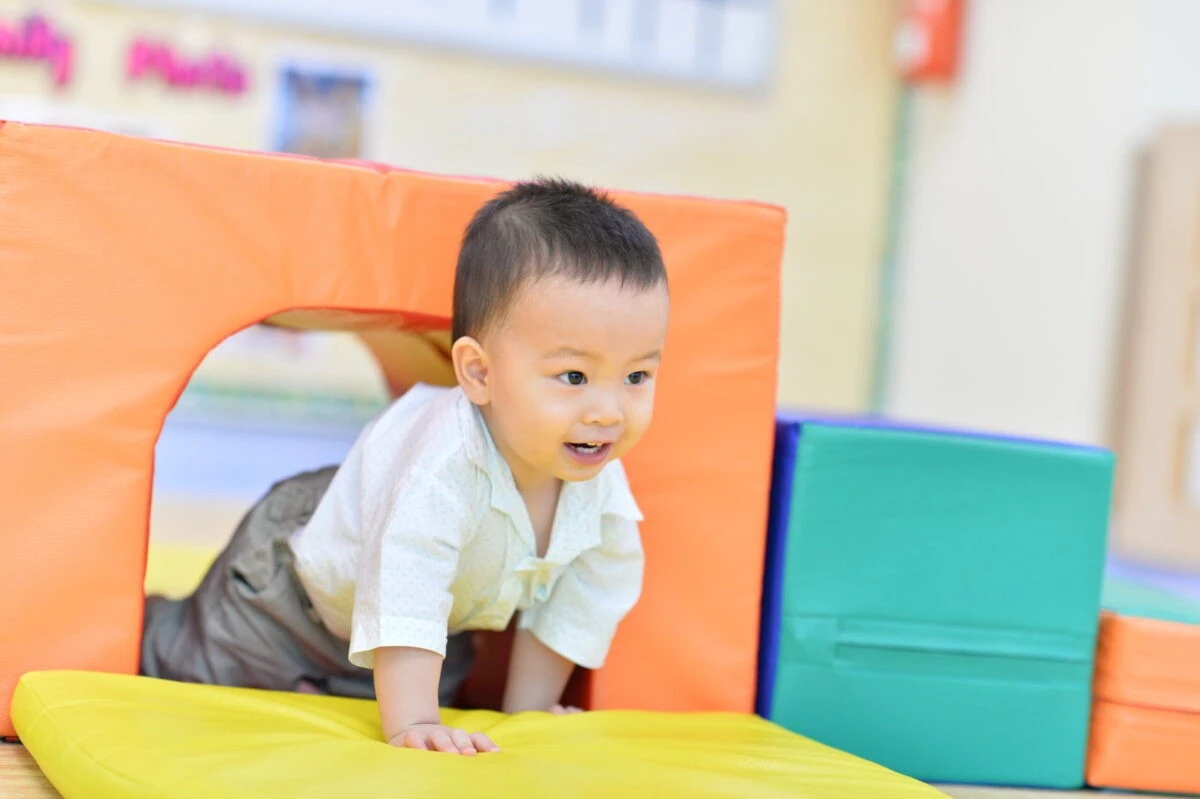
True progress in the early years comes from confidence, curiosity, and a willingness to explore.
In the early years, healthy development is not about being academically ahead. Instead, it is about children:
- Growing independence in daily routines
- Feeling comfortable interacting with peers and adults
- Exploring new challenges with curiosity
- Developing the confidence to try, make mistakes, and try again
True progress is about nurturing a child who is confident, resilient, and curious—not simply one who can recite the alphabet earlier than others.
Self-Help Skills: Tiny Steps to Big Confidence
Self-help skills like dressing independently, washing hands, or tidying up toys—may seem small, but they play an important role in building confidence and independence.
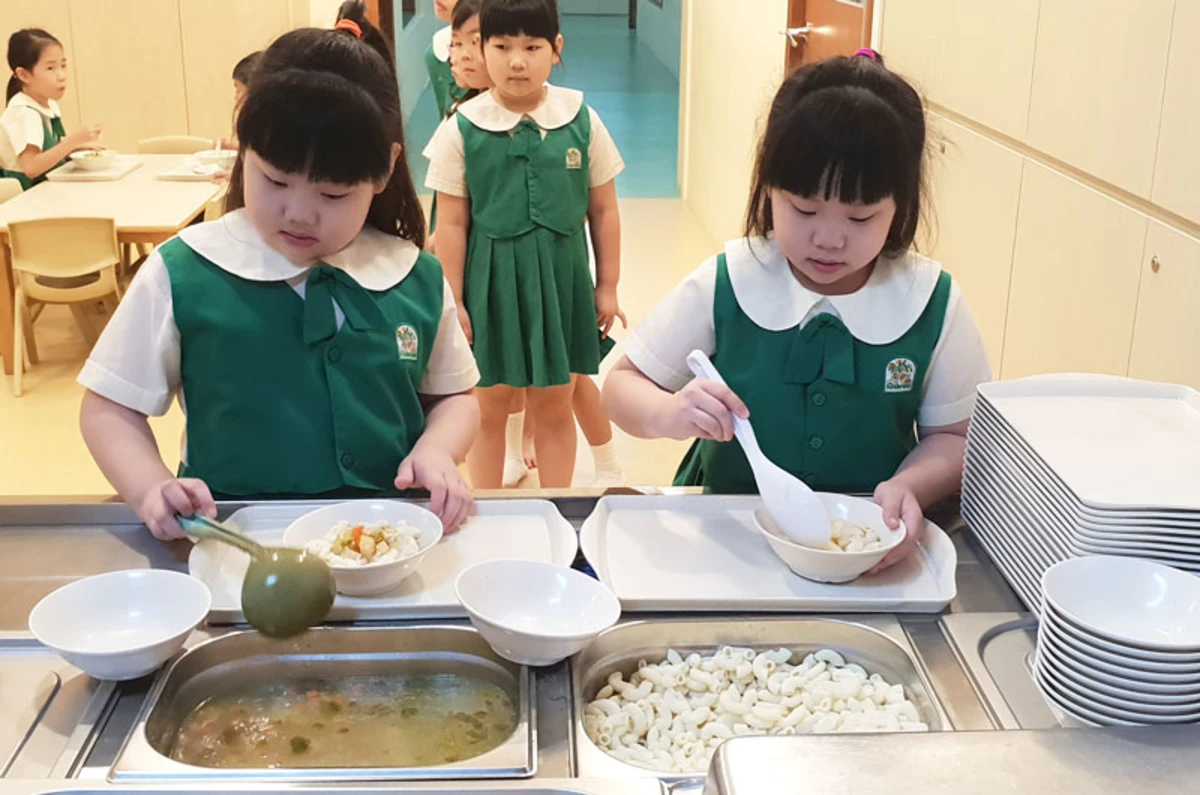
Our Self-Help Kitchenette is where little ones practice independence and grow in confidence through hands-on experiences
At Kinderland Preschools, these skills are part of everyday routines:
- Children learn to pack their own bags and care for their belongings
- They practise personal hygiene with gentle guidance
- They take part in simple classroom responsibilities
Each small success builds a child’s sense of capability. When children realise they can do things on their own, their confidence grows—and that confidence carries into learning, social interactions, and problem-solving,
Learning Through Play: Serious Skills in Disguise
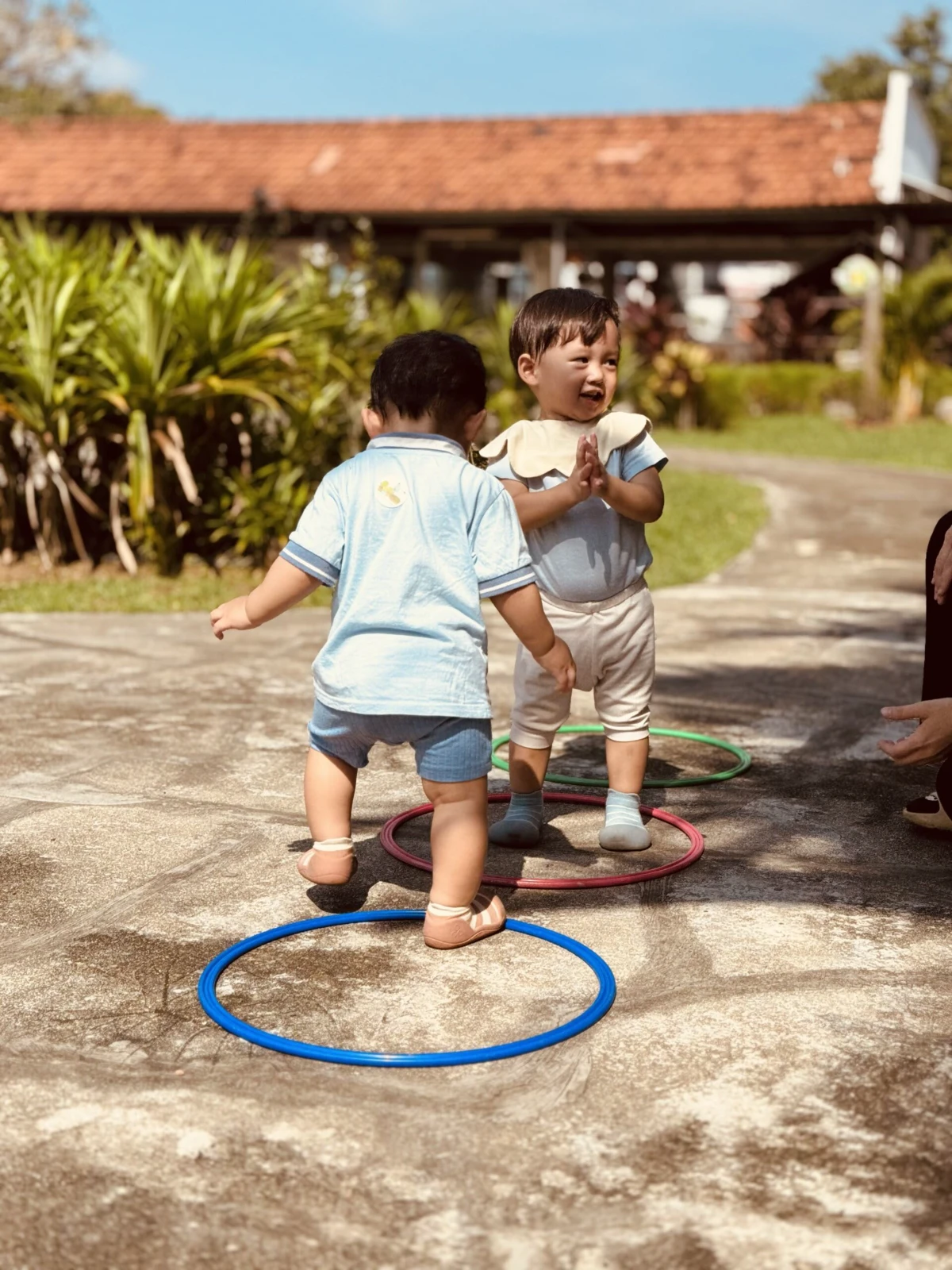
Outdoor play allows children to use their imagination while building communication, creativity, and social skills.
Play is not just fun—it is how young children learn best. Through purposeful and guided play, children:
- Expand their vocabulary and communication skills
- Develop reasoning, creativity, and problem-solving abilities
- Learn to cooperate, negotiate, and share with others
At Kinderland Preschools, play is thoughtfully designed so children learn naturally while enjoying themselves:
- S.T.R.E.A. M. ( Science, Technology, Reading, Engineering, Arts, and Mathematics) projects encourage children to experiment, test ideas, and solve real-world problems.
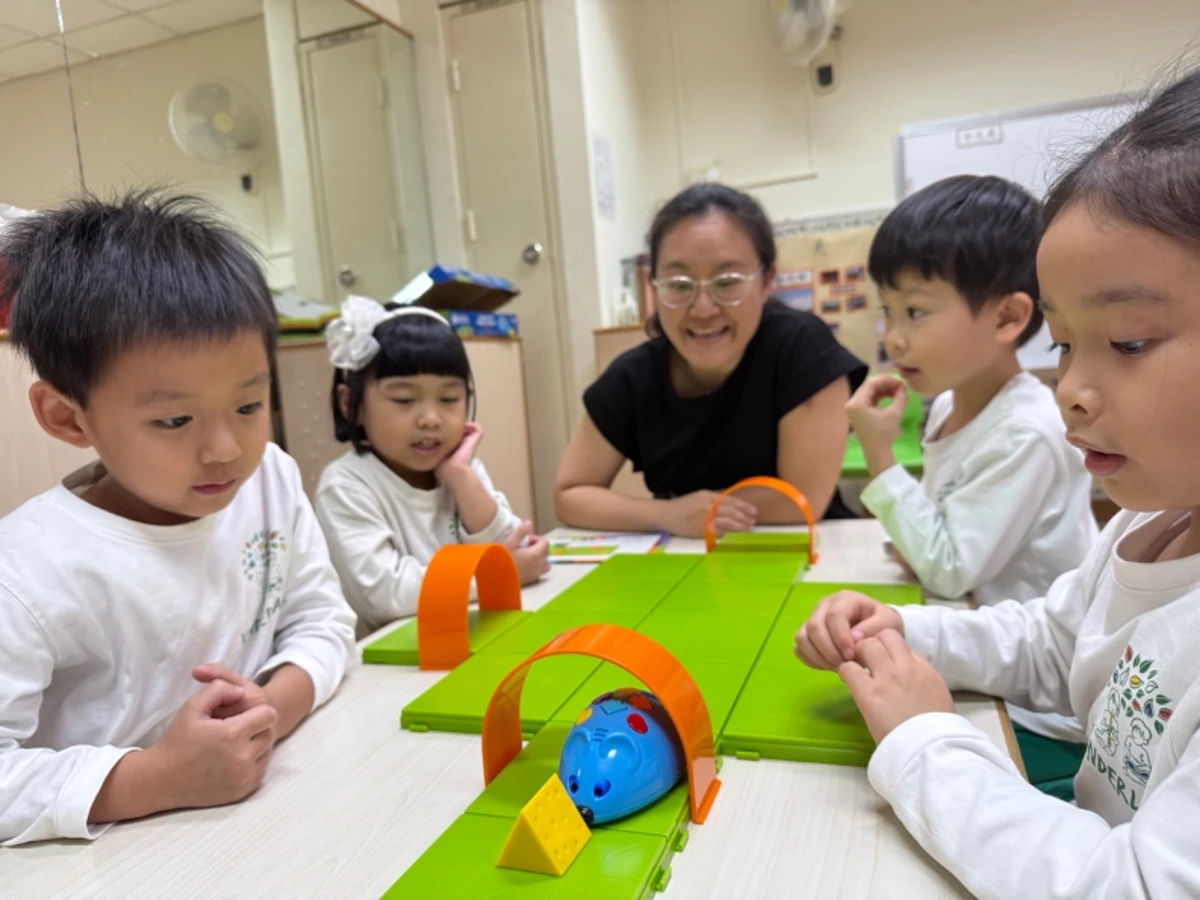
Hands-on coding toys encourage children to experiment, think critically, and discover solutions.
- Domain-focused “lands” such as Natureland, cReativeland, and EQland allow children to explore creativity, nature, and social-emotional skills.
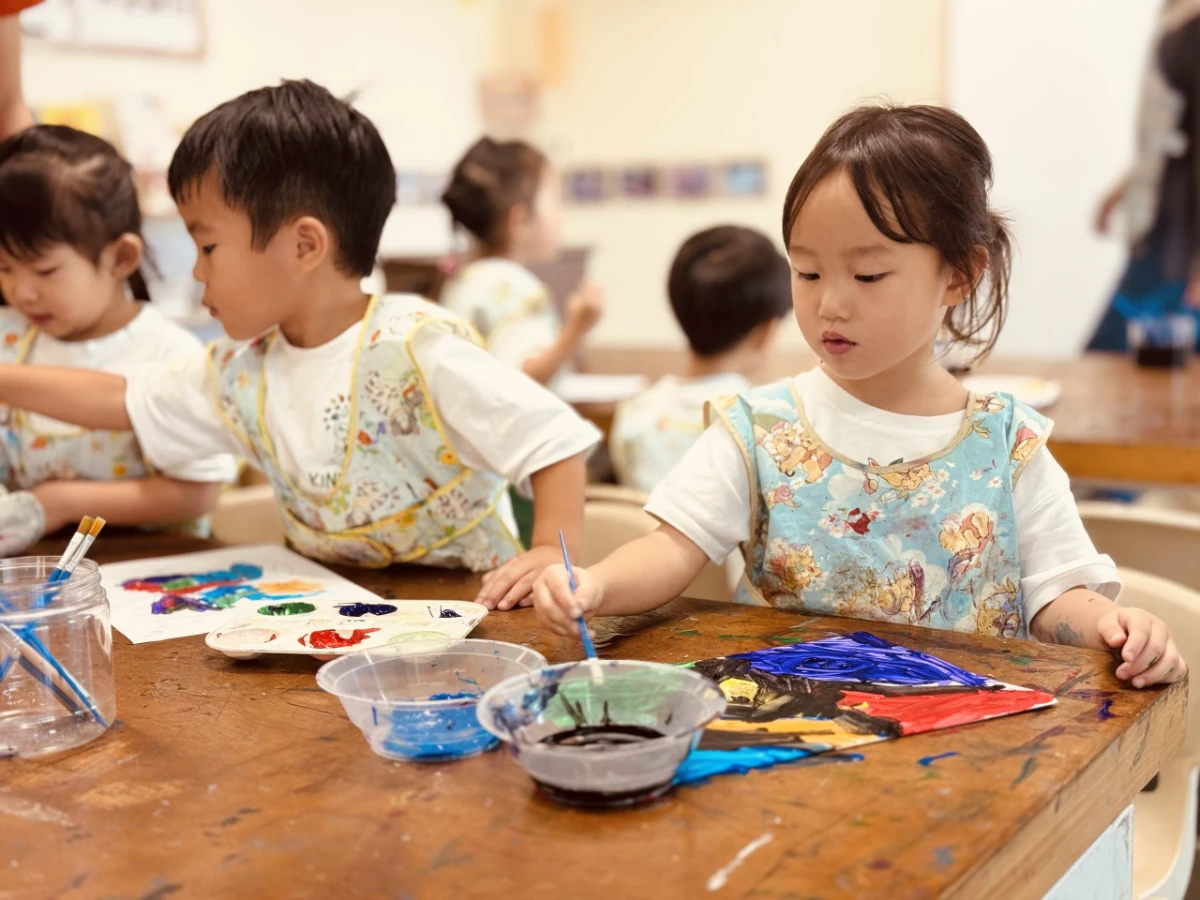
Art activities encourage creativity, imagination, and self-expression.
- Outdoor and nature play engages children in hands-on learning experiences, such as growing vegetables from planting to harvesting.
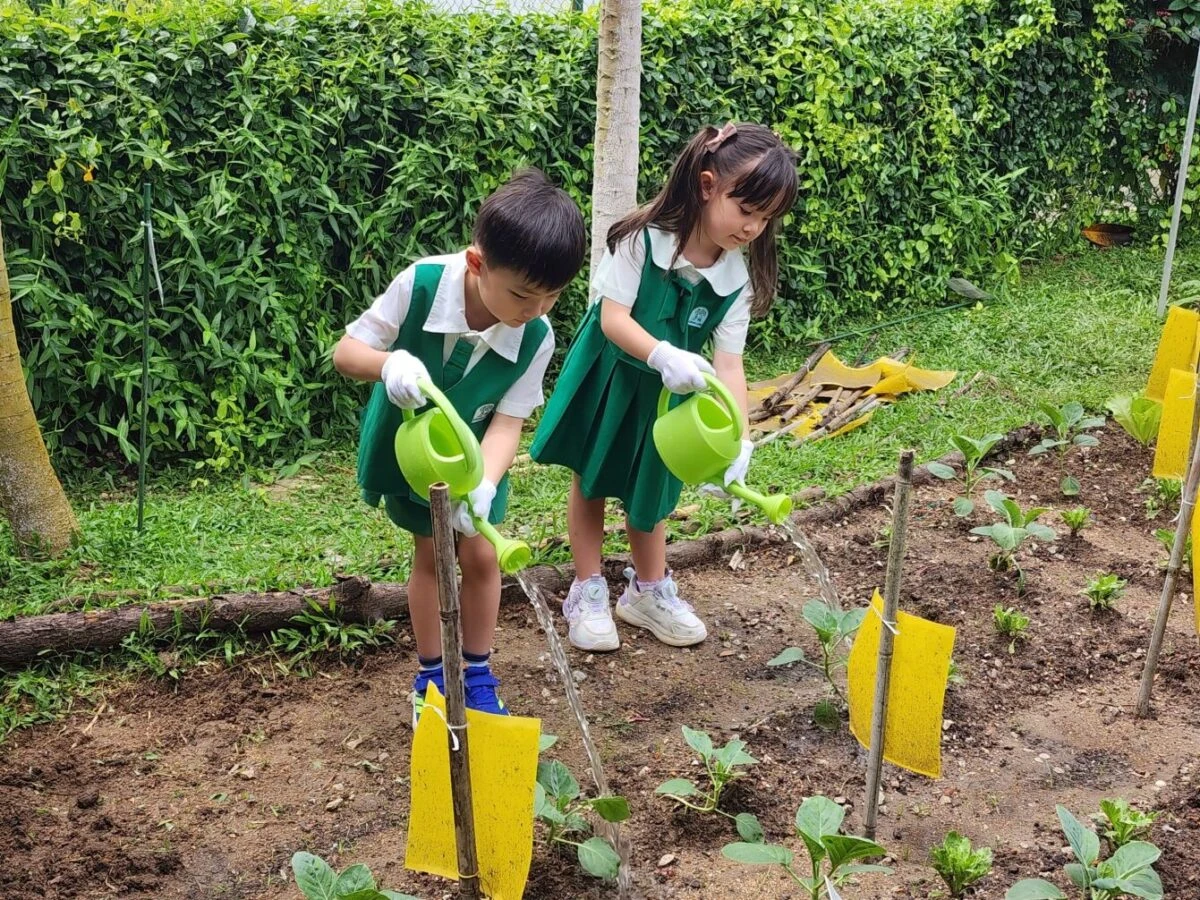
Outdoor learning allows children to connect with nature while discovering how things grow and change.
- Music, movement, and collaborative projects help children develop teamwork, confidence, and joyful expression.
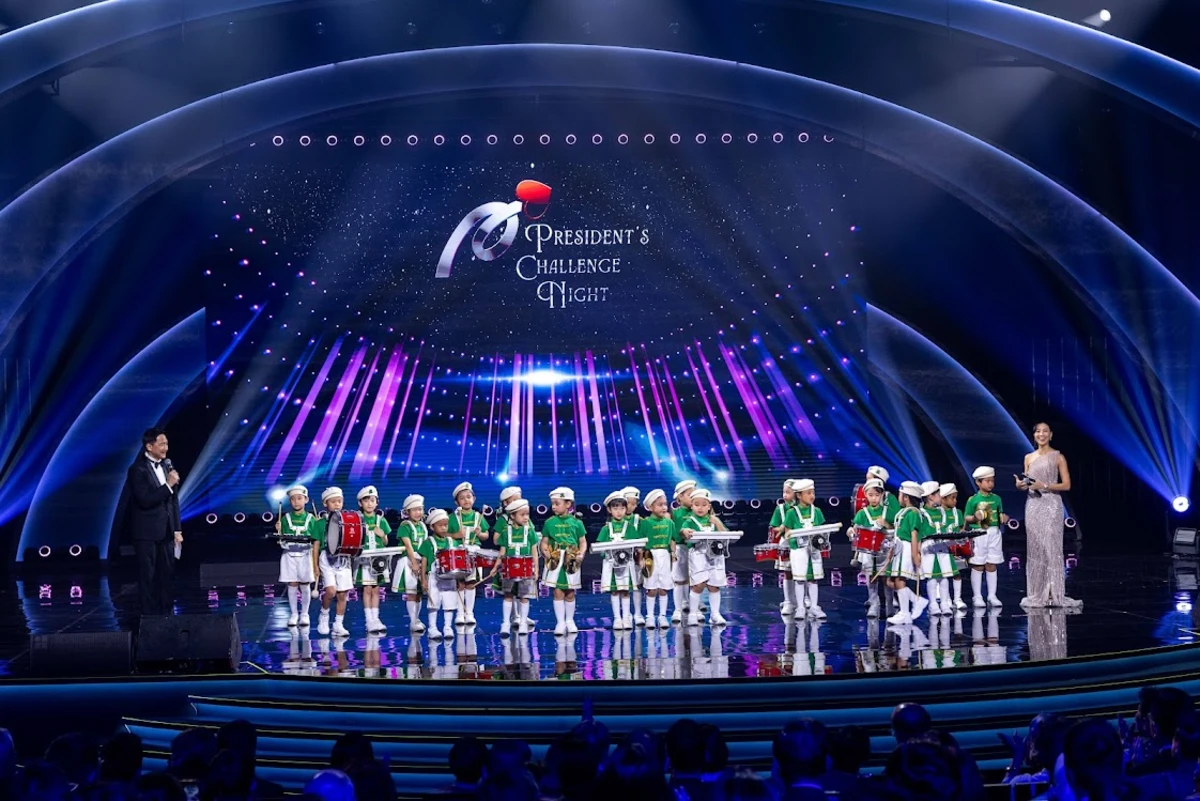
Kinderland’s music-infused curriculum builds confidence and helps children express themselves on stage.
Imagine a group of children building a tall block tower together. They are counting blocks, planning the structure, taking turns, and solving small disagreements—all while laughing and enjoying the moment.
That is learning through play in action.
The Key Message for Parents
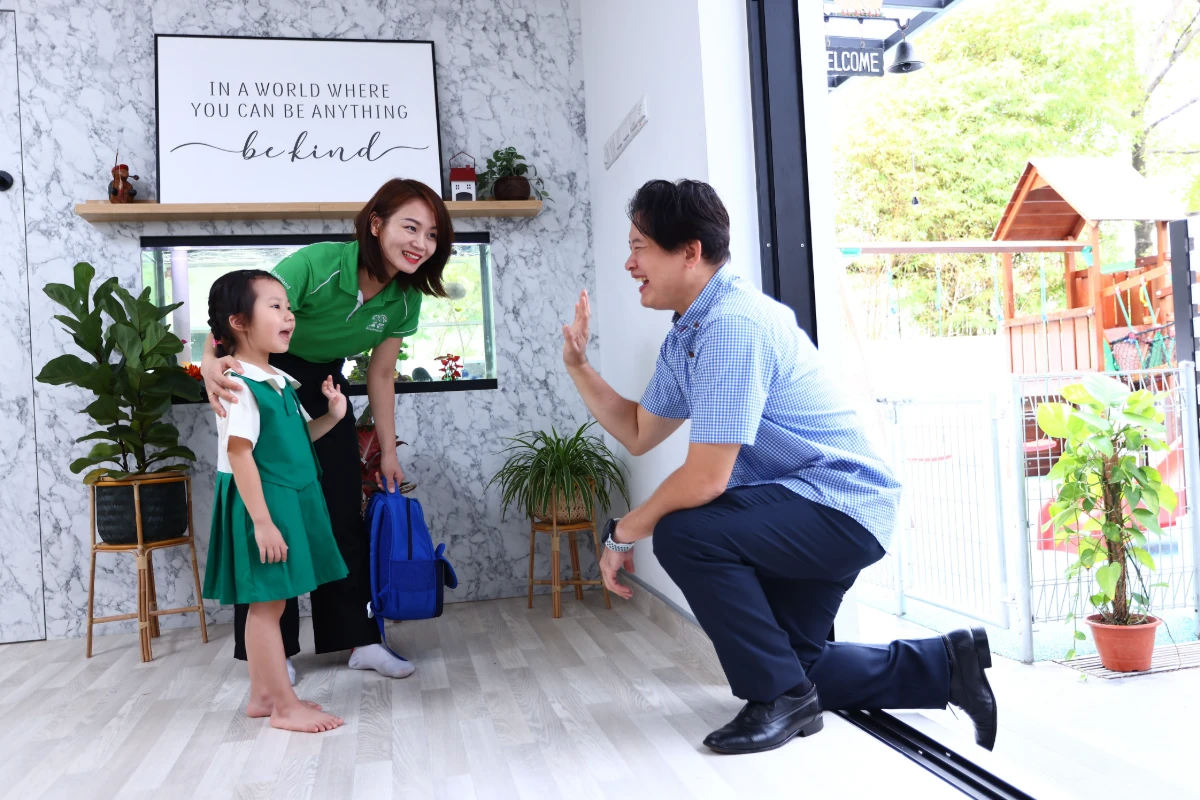
Entrust your little one to Kinderland and watch them grow into confident individuals with a strong foundation for lifelong learning.
Early childhood education is not about racing to the finish line—it is about building strong foundations for life.
By supporting daily routines, self-help skills, and meaningful play, children develop independence, resilience, and a love for learning.
A child who feels capable and confident in the early years is far more likely to approach new challenges with curiosity and courage.
And that is the kind of progress that truly lasts a lifetime.
References
- UNESCO – Investing in Early Childhood Care and Education Yields Lifelong Benefits
https://www.unesco.org/en/articles/investing-early-childhood-care-and-education-yields-lifelong-benefits - UNICEF – Why Early Childhood Education and Care Matter
https://www.unicef.org/eca/stories/why-early-childhood-education-and-care-matter - First Things First – Why Early Childhood Matters: Research Summary
https://www.firstthingsfirst.org/early-childhood-matters/research/ - OECD – Early Learning and Child Well-Being: Conceptual Framework
https://www.oecd.org/en/publications/early-learning-and-child-well-being_3990407f-en/full-report/component-6.html - Center on the Developing Child, Harvard University – Key Concepts: Brain Architecture
https://developingchild.harvard.edu/science/key-concepts/brain-architecture/ - Zero to Three – The Importance of Play in Promoting Healthy Child Development
https://www.zerotothree.org/resources/series/the-importance-of-play


 Kinderland Singapore